What Does a University Owe a College Town?
Analyzing the relationship between the Elon University and the surrounding community

Town-Gown Divide
Road use and potholes. Heavy morning traffic. Noise from speakers and houses full of people. The use of limited resources such as electricity, water, and high speed internet. Name any college or university and you will see their massive footprint on these areas in the community where their campus resides.
That footprint is one that is not always welcomed due to its impact on the people in the surrounding neighborhoods, creating a natural point of tension for educational institutions and surrounding communities all over the country.
The name for this global phenomenon is the town-gown divide. Town and gown are two distinct communities of a university town; "town" being the non-academic population and "gown" metonymically being the university community, especially in ancient seats of learning.
This concept is so prominent that the Princeton Review ranks colleges and universities on which has the best town-gown relationship.
A research study conducted in 2019 at the University of North Carolina at Chapel focused on this issue. They defined town-gown relations as; “How officials in communities and schools relate to one another, and how they work with residents and students to resolve issues before they become problems.”

“I think in any relationship there's going to be tension and conflict,” said Assistant Dean of Students Whitney Gregory. “I think typically divides occur when there's a mismatch of expectations and lack of communication.”
Oftentimes when students prepare to attend college, many are going hundreds of miles away from home with little awareness or understanding of the communities around their school. Elon University understands this phenomenon as well as any university, with 76% of its 6,302 undergraduates coming from out of state. Although Elon students live, shop, volunteer, and even work in the community, there is a strong perception around campus that Elon University is its own little island, completely separate from its neighboring town, Burlington, and the greater Alamance County.
Assistant Dean of Students Whitney Gregory explains the town-gown divide

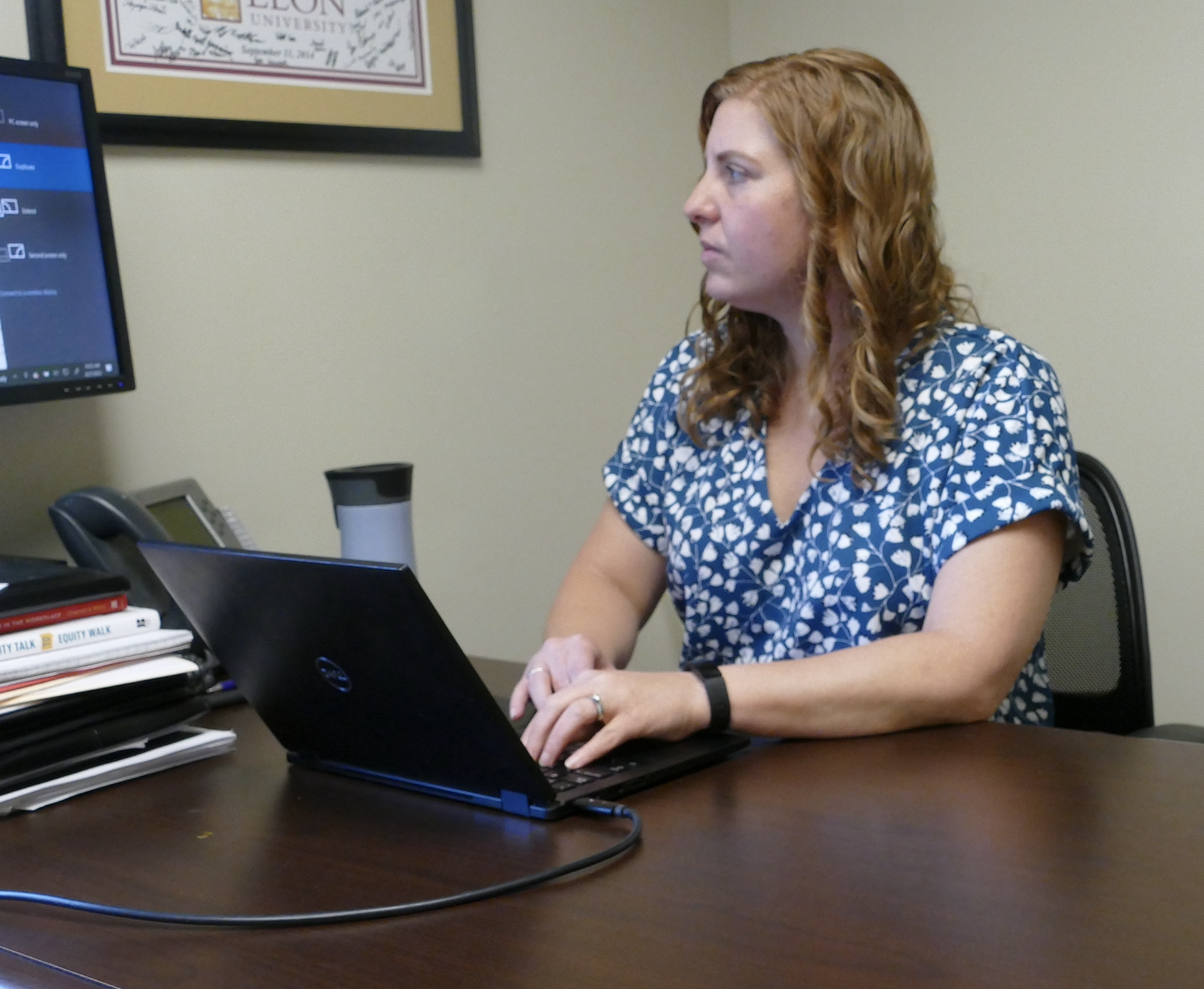
Assistant Dean of Students Whitney Gregory in her office.
Assistant Dean of Students Whitney Gregory in her office.
The Elon Bubble

This perception is encapsulated by the existence of a common phrase you will hear around Elon University’s campus: the “Elon Bubble.” For many students, this perception is reality.
“I think Elon is kind of its own little community and we don’t really interact with people in the town of Elon,” said Camryn Harris, a sophomore from Raleigh, North Carolina.
Missy Sturtz, a senior from Massachusetts, echoed a similar sentiment but said the Bubble goes beyond the physical boundaries. “Students don’t really interact with the community but they also don’t really understand the community,” said Sturtz. “We come from this [predominantly white institution] where many of the students are wealthy and their minds stay in the Bubble.”
Emily Sledge, a senior from Burlington, said she undoubtedly felt this divide growing up. Sledge thinks that while administration, staff and faculty have good relationships with Alamance County residents, students don’t make an effort to get to know people outside of the university.
“I do think we have a lot of students who have good hearts and everything, but there are a lot of students who perpetuate classist attitudes about the people who live in Alamance County,” Sledge said. “I feel that the people on Elon’s campus demonize the majority of the Burlington-Alamance County population and say that they’re rednecks, say that they’re hillbillies, say that they’re uneducated.”
Elon University students give their input on the Elon Bubble and the derogatory term "Burlie".
Elon University student and Burlington resident Emily Sledge talks about being from Alamance County
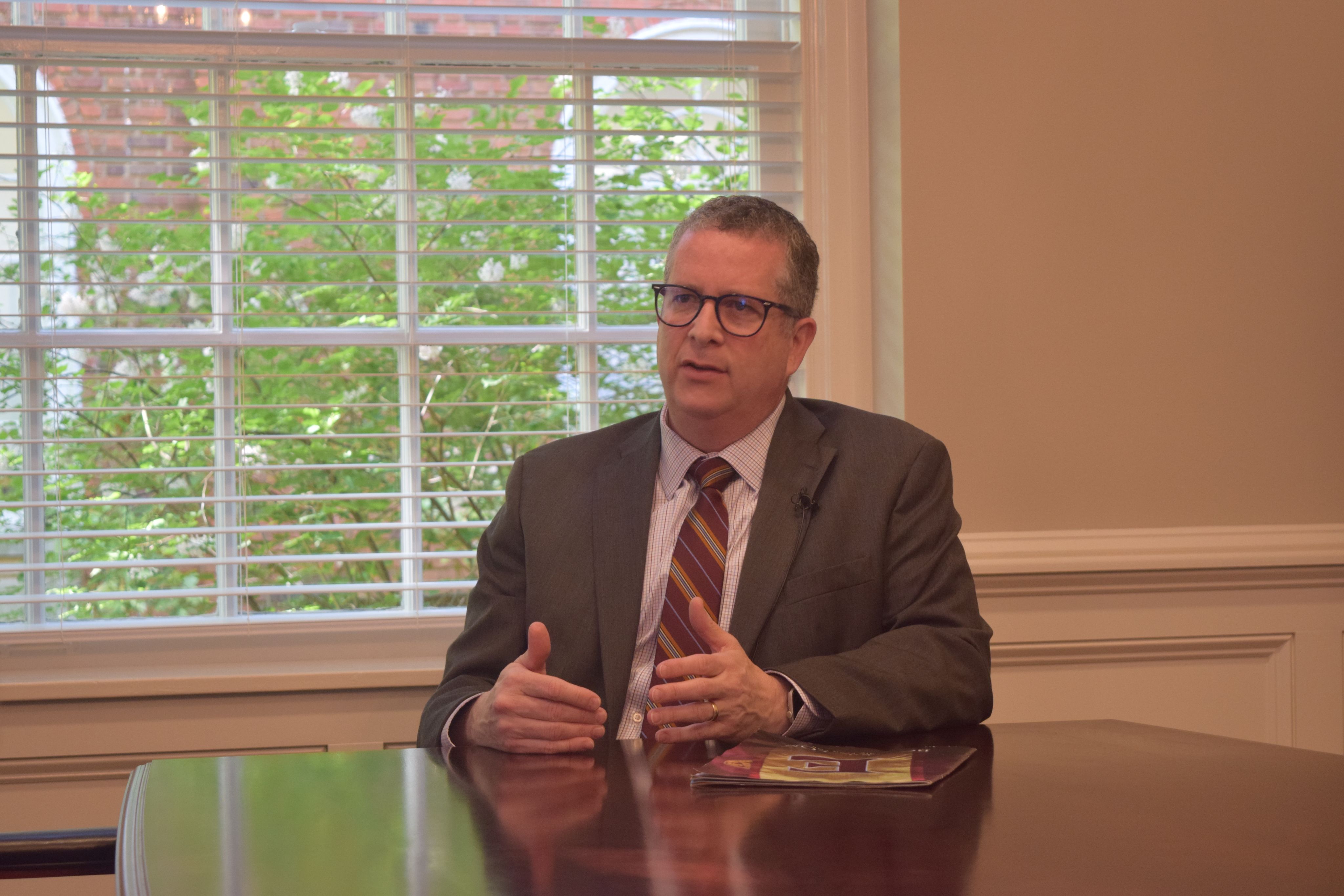
Elon University's Vice President for Strategic Initiatives Jeff Stein
Elon University's Vice President for Strategic Initiatives Jeff Stein
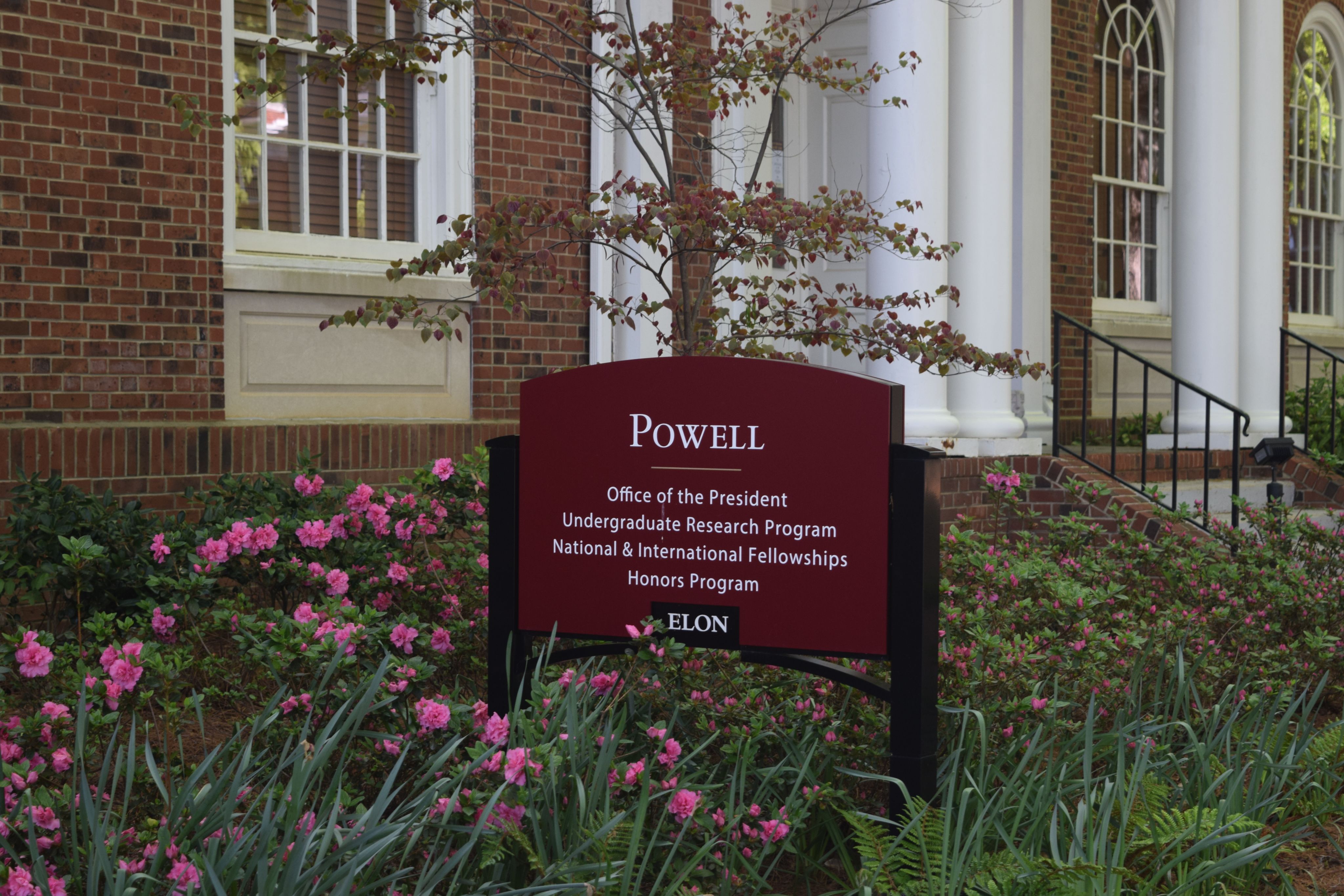
Powell Hall, home of Elon University's executive offices
Powell Hall, home of Elon University's executive offices

This division is the exact opposite of the goal of colleges and education programs, whose aim is to broaden the minds and experiences of students and prepare them to succeed in these communities. Elon’s own mission statement emphasizes the importance of “preparing students to be global citizens and informed leaders.”
Vice President for Strategic Initiatives at Elon University, Jeff Stein, says there is a misconception about the negative connotation associated with the “Elon Bubble.” He perceives the phrase in a positive way, in that it signifies how strong the community is on campus and how much students are engaged with on campus organization and activities.
“Going to campus events and interacting with each other is a part of college and university life, I don’t necessarily see it as a negative,” said Stein
Still, he maintains that there has to be a balance between an embrace of an interactive and vibrant campus culture and outreach and interaction with the local neighborhood.
“If students are never thinking about the local community and the fact that poverty, education, and health are tremendous issues affecting kids and families across this country, then we have a problem,” said Stein.
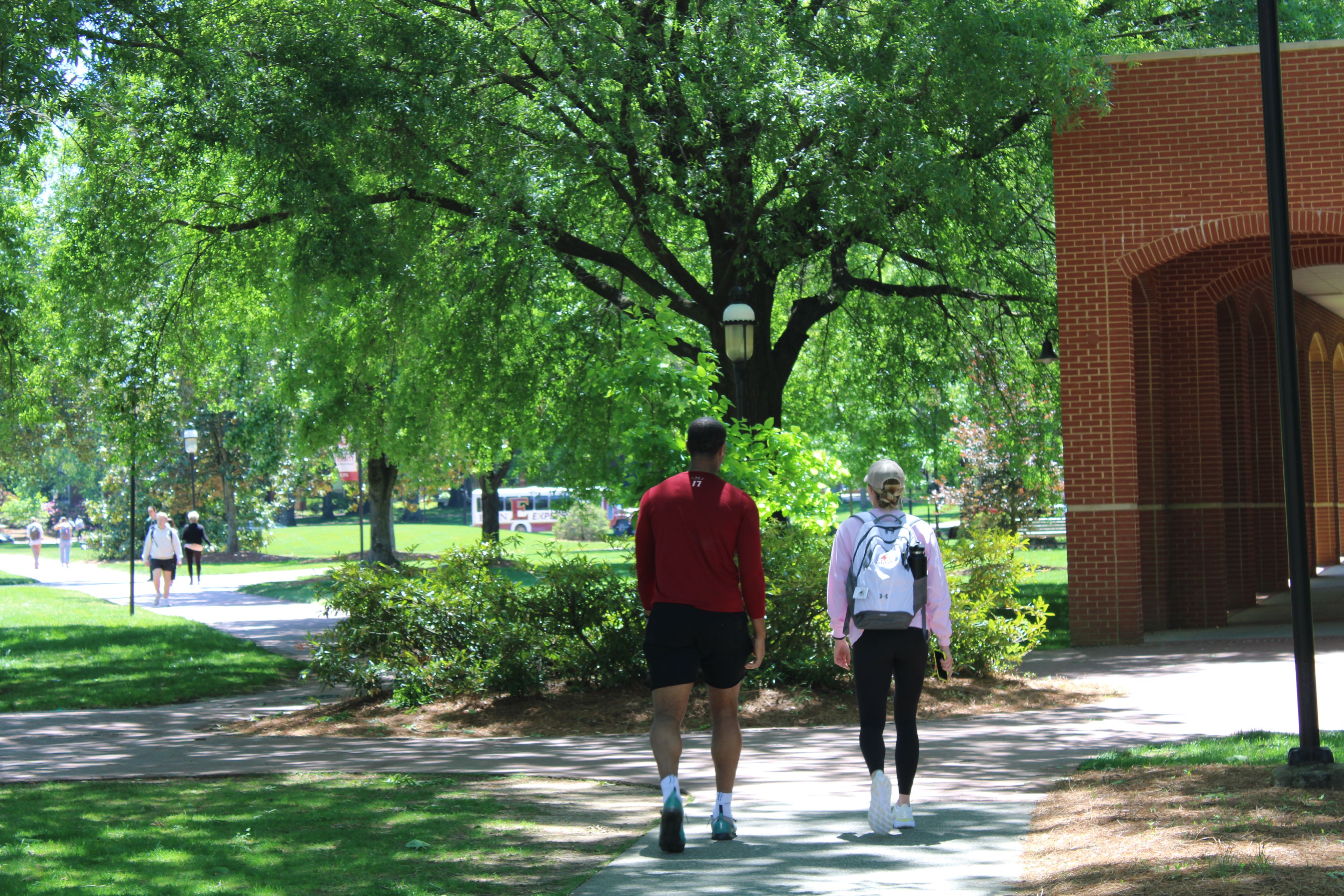
There is little public transportation and the area is not pedestrian-friendly, solidifying the bubble. The Burlington Greenway and Bikeway, a trail that connects Elon to downtown Burlington was completed in 2017, but at some point the sidewalk stops, making it harder to walk to the shops and restaurants of downtown Burlington.
Alamance County


This “Bubble” is also aggravated by the fact that the university’s population does not reflect the demographics of Alamance County. According to College Factual, Elon’s undergraduate population is 80% white, 6.6% Hispanic, 5.4% Black or African-American, 2.3% Asian and .1% American Indian or Alaska Native.
Alamance County is 73.6% white, 20.9% Black or African-American, 13.1% Hispanic or Latino, 1.7 % Asian and 1.5% American Indian or Alaska Native.
Based on data from 2017, the median family income of an Elon student is $208,300 and 79% of students come from the top 20%. Alamance County’s median income household in 2020 was $51,580 and 15.1% of residents live in poverty.
“I … think that Burlington is a location that is not as privileged as where a lot of people come from that go to Elon,” Peyton, a junior from Iowa, said.
Along with terms like the “Elon Bubble,” if you’re an Elon student, you’ll probably have heard the term “burlie,” used in conversation to refer disparagingly to describe Burlington residents or interactions students have had with residents of Burlington.
Sturtz described it as a negative stereotype.
“People see burlies as less educated and more rough [and] outwardly spoken,” Sturtz said.
Gregory says “burlie” probably comes from the term “townie,” which has socioeconomic and racial connotations.
“When I've heard it, it's been used in a condescending way with a lot of negative connotations for someone who has grown up in this area and connotations around intelligence, or sort of one person's definition of being cultured,” Gregory said. “Those types of terms create more tension and more conflict when there's this feeling of people … coming in from the university and being condescending or looking down upon those who have grown up in this area or who have spent most of their lives in this area.”
In Sledge’s perspective, Elon students use this term because they do not see themselves as residents of Alamance County.
“I think it’s another way of Elon University students distancing themselves from the community they’re inhabiting,” Sledge said. “A lot of [students] don’t think they are part of the community of Alamance County … I think that Elon people definitely think of Elon as a temporary home.”
Despite this, Gregory believes that the university has a stronger relationship with the surrounding area than most other universities and colleges. She co-chairs the neighborhood coalition which includes representatives from the university and administrators from the town of Elon, campus police, Elon police, Elon residents and students. University representatives also meet with town representatives weekly.
“The idea is to identify points of tension, points of conflict before they escalate into something that's very, very serious,” Gregory said.
Recently 12 representatives from the university coalition walked around neighborhoods near the university to ask residents about their experiences living in Elon and their interactions with students who live off campus in their neighborhoods. Residents brought up relatively minor issues like students being loud while leaving parties and cutting across their yards.
“Long term residents [were] saying, we live in a university town, we don't expect that there won't be noise, we don't expect that there won't be gatherings or parties,” Gregory said. “It’s more the things that occur when students are leaving those parties that create conflicts and tensions.”
Last February, frustrated Elon resident Michael Geary came before the board of aldermen to ask for tougher ordinances for littering due to trash from student renters piling up in his neighborhood. Geary said that some year-round residents are afraid to approach university and town administration for fear of how Elon students would react.
Gregory also cautions that we may pay more attention to the negatives when it comes to the town-gown divide.
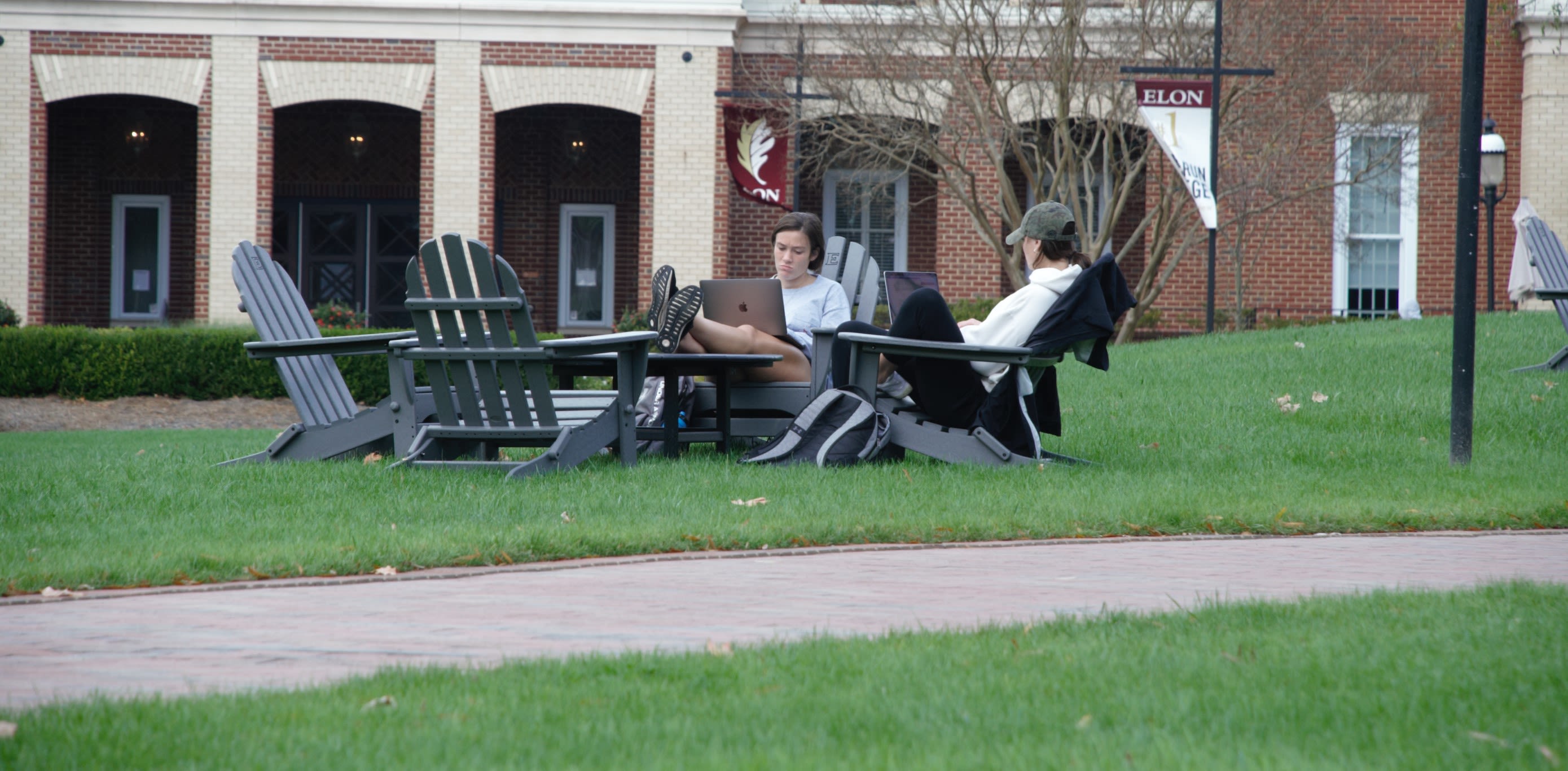
“I think sometimes it's human nature to look at the divide and the differences and the conflict and not see all the ways that we have these positive relationships,” Gregory said. “We have so many students who volunteer in the local schools who do student teaching in the local schools, we have so many people in the local community who love coming to basketball games and football games and cultural events.”
Preparing students to understand and confront the issues that are in the communities surrounding Elon, and communities all across the country, is a priority for Elon University. Although there have long been programs that promote strong campus and community interaction, the administration is currently in the midst of reconfiguring the process of understanding, supporting and engaging with the community.

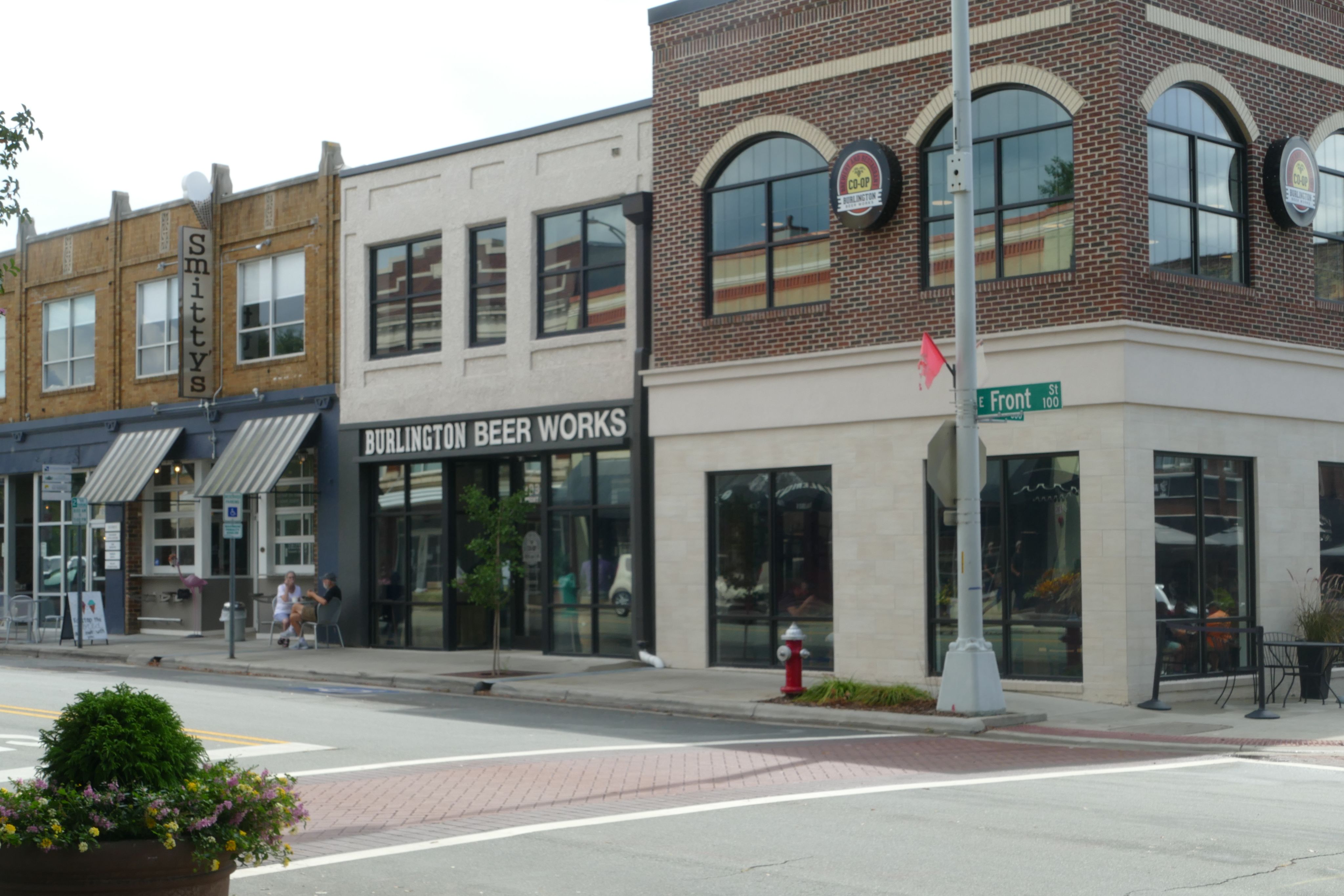
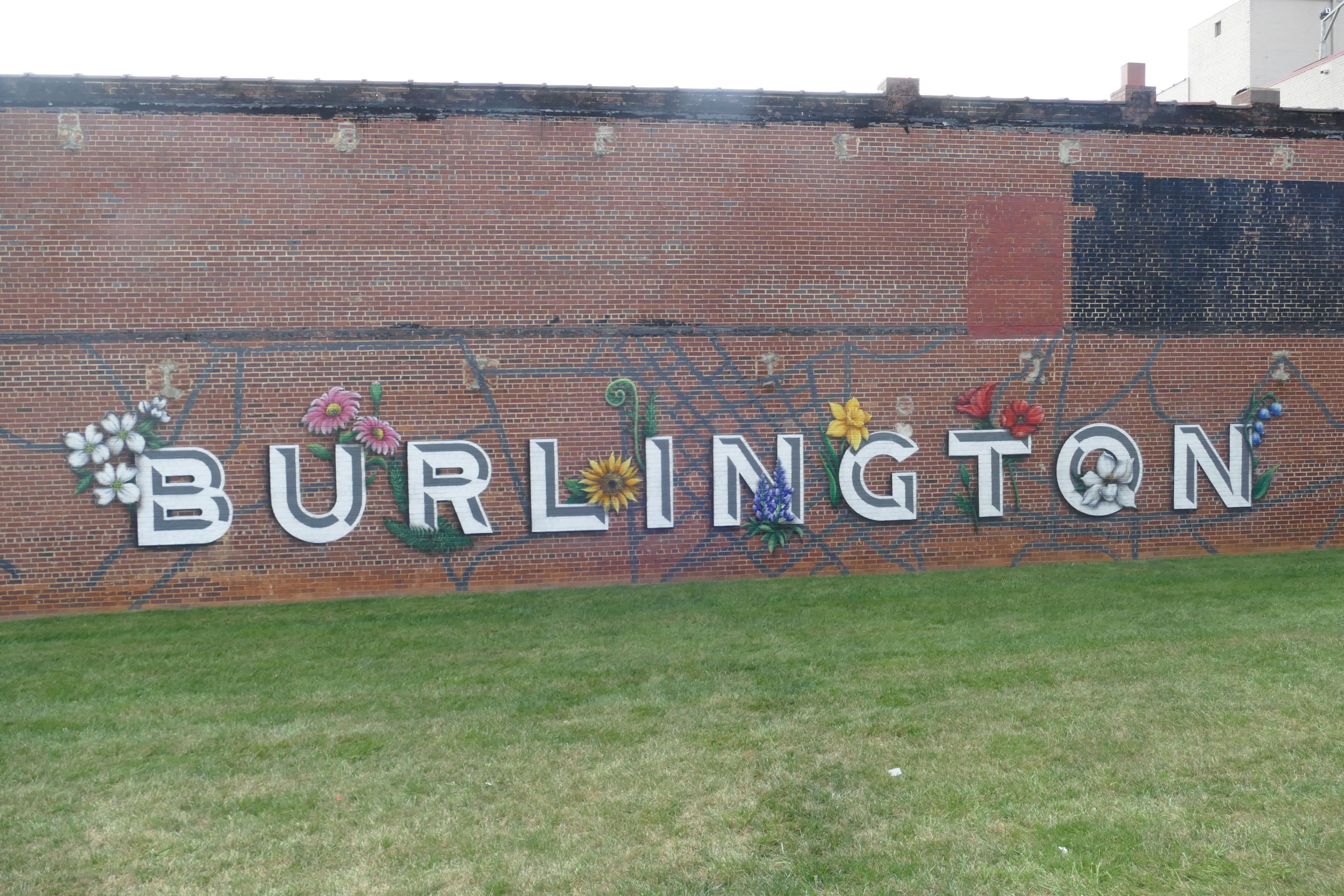
Downtown Burlington
Downtown Burlington

"Heart of Downtown" sculpture in downtown Burlington
"Heart of Downtown" sculpture in downtown Burlington
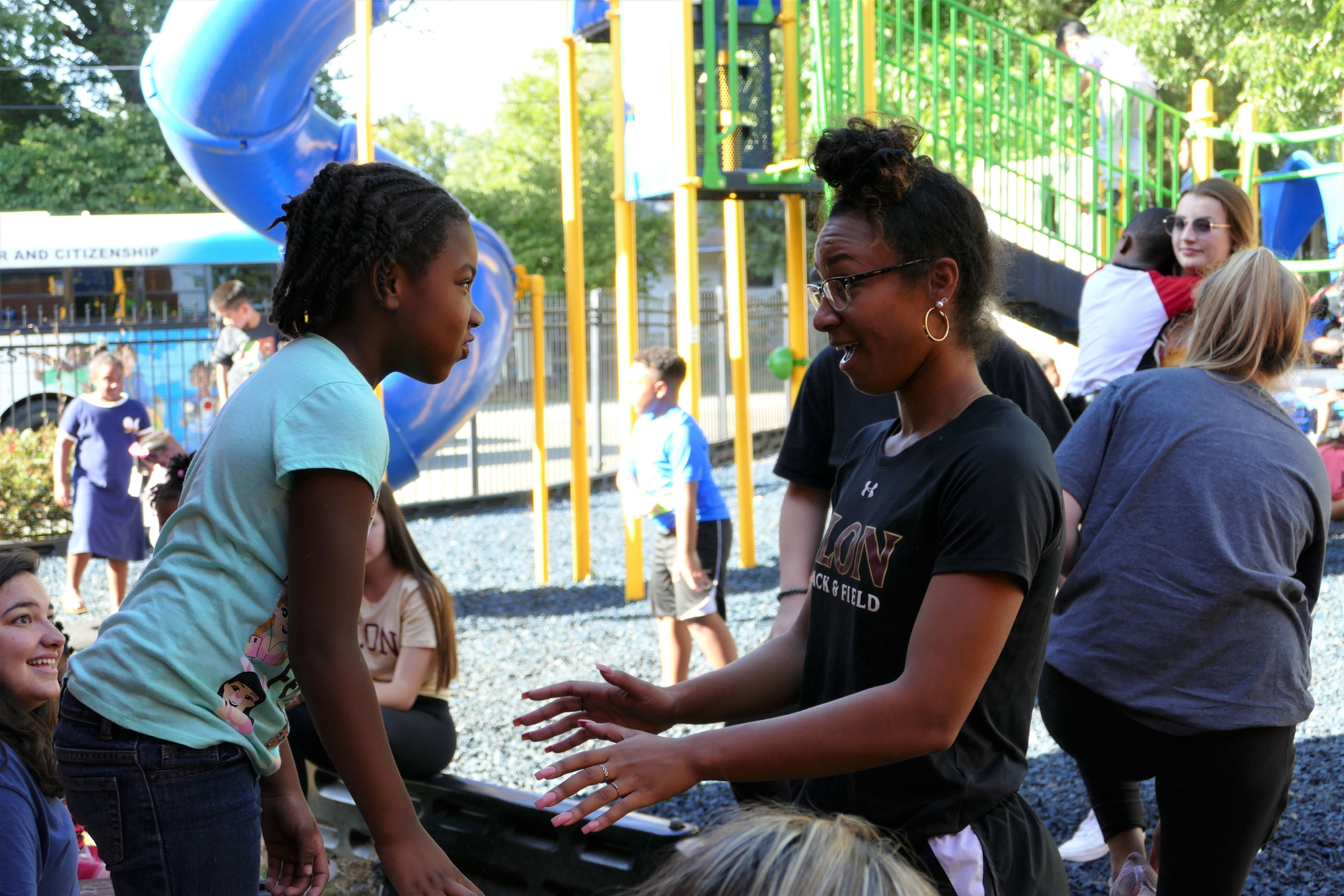
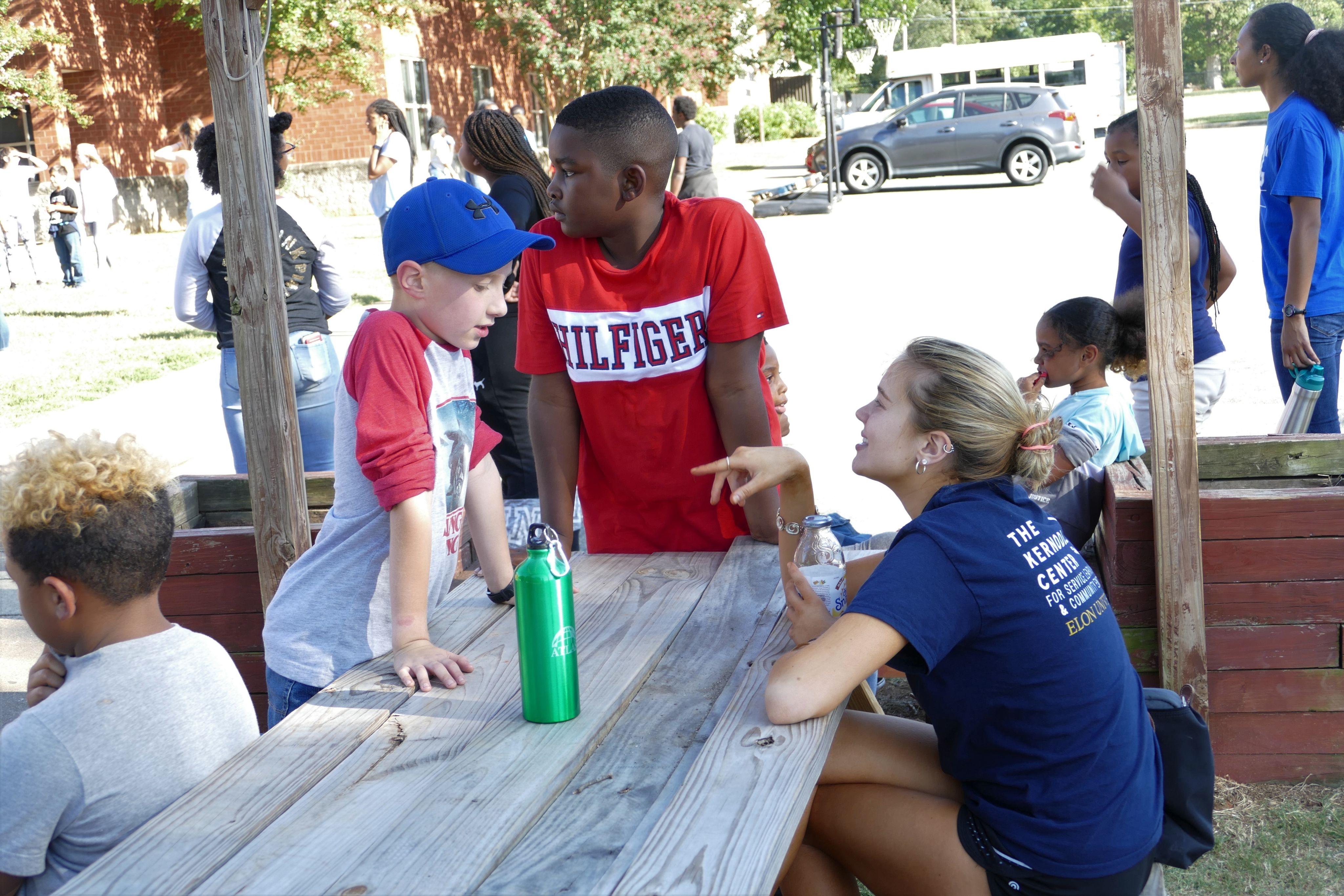
Elon students volunteering at the Boys and Girls Club in Burlington
Elon students volunteering at the Boys and Girls Club in Burlington

“I think sometimes it's human nature to look at the divide and the differences and the conflict and not see all the ways that we have these positive relationships,” Gregory said.
Fixing The Divide

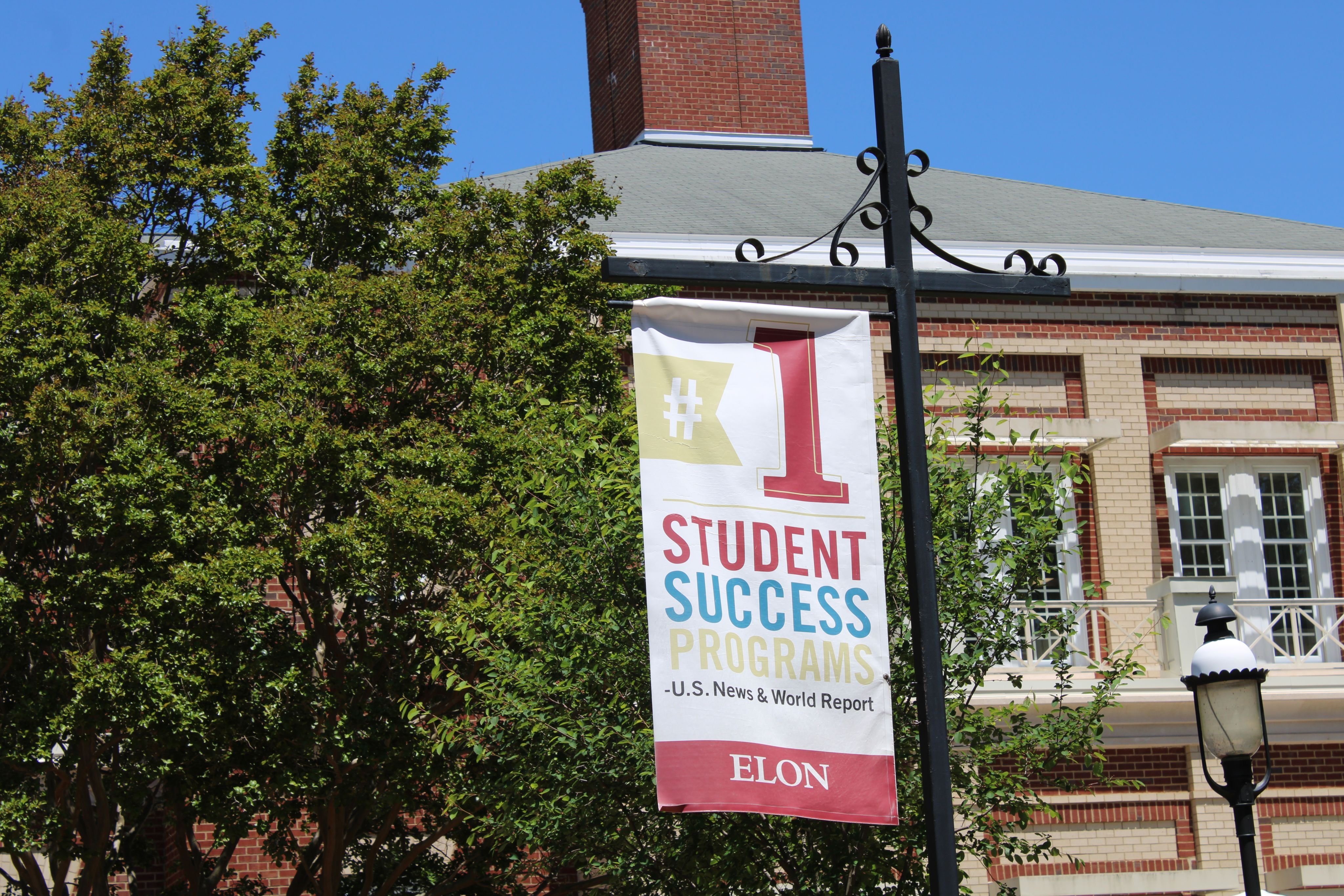
As part of Elon’s new strategic plan, there is an emphasis on connectivity. In fact it is one of four major themes at the core of Boldy Elon, the plan that has been promoted across campus since 2020. The plan lays out an objective that “during this decade Elon will develop partnerships to advance healthy, prosperous, and socially just communities in Alamance and Guilford counties and across the world."
“There are a lot of departments or individuals who engage with the community but we’re trying to bring together some of our efforts and think more deeply about how to be a better partner with nonprofits and the county as a whole,” said Stein.
Some programs that have already hit the ground running are the Village Project and Elon Academy. These programs engage students from the community from first grade through high school in educational, mentorship, and developmental initiatives led by Elon students and staff. The relationship-building between Elon community members and members of the county and the educational pipeline that these programs produce is in lockstep with Elon’s belief that you cannot be hailed as a strong and influential educational program if your influence is limited to the boundaries of Elon’s campus.
Still, these programs do not necessarily address the massive footprint that Elon University has in this town and the downsides that come with the impact of utilizing emergency services, limiting housing availability, using the roads, and creating noise, all while not paying taxes to the local government.
Whitney Gregory talks about the neighborhood coalition
“We're trying to bring together some of our efforts to be a better partner.” - Jeff Stein
Elon University students give their opinions about their college's involvement in the community
Elon Mayor Emily Sharpe has a different perspective on Elon University's involvement in the community and the ways the surrounding community could benefit from more engaged involvement. Sharpe was elected as the Mayor of Elon on Nov. 2, 2021, after spending four years on the Town of Elon Board of Alderman.
“What makes Elon unique to other college communities is how small we are in relation to the university,” Sharpe said.
There is no doubt that Elon University benefits the surrounding community. In a 2021 economic report from consulting firm Tripp Umbach, it was reported that Elon University employed more than “7,000 jobs in North Carolina” and “1 out of 10 jobs in Alamance County are attributable to Elon University.”
Sharpe is looking to strengthen the relationship between the town of Elon and the university, but has found that communication between the two is lacking.
When talking about the relationship or a lack thereof, Sharpe said, “I still think that there's ways for that to improve, there's no one from the town on the university's Strategic Plan.” Elon University’s Boldy Elon Strategic Plan details the plans that the college has to achieve by the year 2030.
“So you would think that they would be ahead of that, and have someone on our board or a member of our administrative team, on that strategic planning committee,” Sharpe said. “But we're not.”
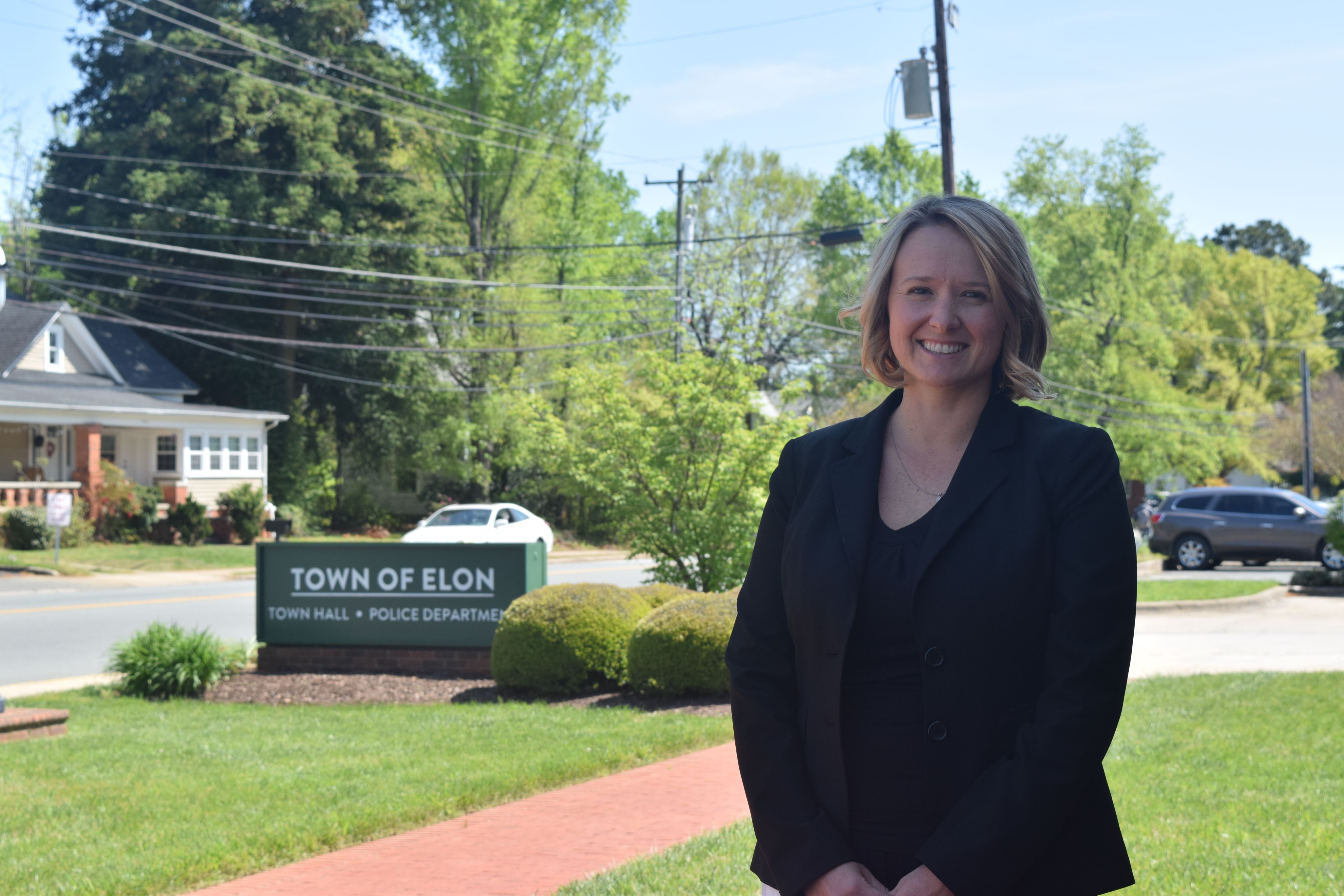
The rapid expansion of Elon University has also caused a shift in community demographic as students begin to find residences in the surrounding neighborhoods. Like many other colleges around the nation, these off campus residences have places where students often have gatherings and parties that can disrupt the peace for permanent residents
“The students who are in rental properties don't take care of their yards and think about … the aesthetics associated with cars parked in a yard or couches in the yard or beer pong tables in the yard,” said Sharpe. “People who live here permanently, they do think about those things.
It's not just Elon University students’ that are bringing college town residents' frustration. Back in 2017, NBC New York reported that residents in the Bronx complained that the students of Manhattan College were out of control and disruptive. Wale Aliyu quoted Councilman Andrew Cohen views on the issue who said, “The amount of drinking that takes place at Manhattan College is out of control and the school takes no responsibility for the kids off campus.”
Despite the weekend interruptions by day parties and litter, Sharpe understands that these occurrences are typical for college towns. She explained how she and so many town of Elon residents are looking for new ways to connect with Elon University students from providing water bottles to families during moving day, to providing students with their very own adopted grandparents from the Twin Lakes Retirement Community who are eager to connect with students.
“I love to hear from students, I hope that if I'm sitting out here, having a coffee or in here or whatever, that if people know who I am, I would love for them to say, ‘hey, Emily, I'm so and so’ and just get to know me and understand that I want to be the best advocate for our town as a whole,” Sharpe said. “That doesn't exclude Elon University, and Elon University students, I look at all of that is still part of my town.”
“So you would think that they would be ahead of that, and have someone on our board or a member of our administrative team, on that strategic planning committee. But we're not.”- Mayor Emily Sharpe

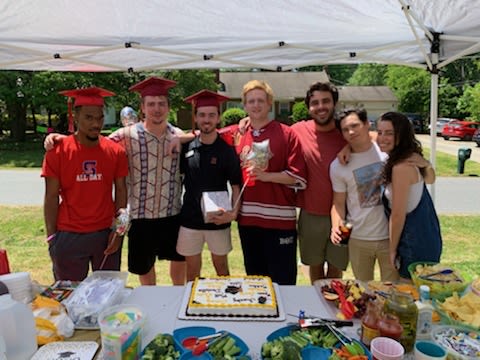

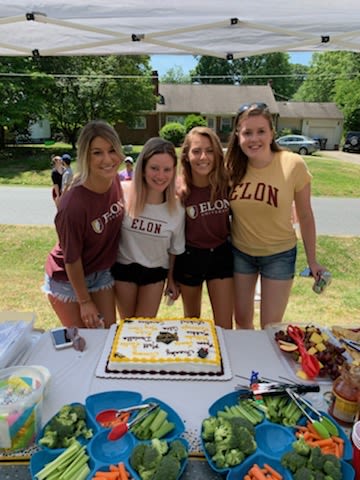
Elon seniors celebrating their graduation at the Prices home
Elon seniors celebrating their graduation at the Prices home
While the perception of the town-gown divide is pervasive, it’s not a total reality. Bridging that gap are Elon residents Ellen and Mitchell Price, a couple who live in a neighborhood with several students that they take under their wing for the year.
“We’ve got six kids ourselves and we’ve got 18 grandkids, 10 great-granddaughters … so we know about kids,” Ellen Price said.
These students live in houses owned by Matthew Cody, a father of two Elon graduates, who bought and renovated ten houses in the Prices’ neighborhood and has known Ellen Price for several years.
“She’s very involved with the kids, she likes to be involved with them,” Cody said.
Initially, residents were concerned that having Elon students as neighbors would mean loud parties and trashed yards, but there have been no issues, Price said.
The Prices throw a graduation party for seniors at their house every year complete with games, food, a cake with students’ names on it and individual certificates of congratulation.
“I want them to feel special,” Price said.


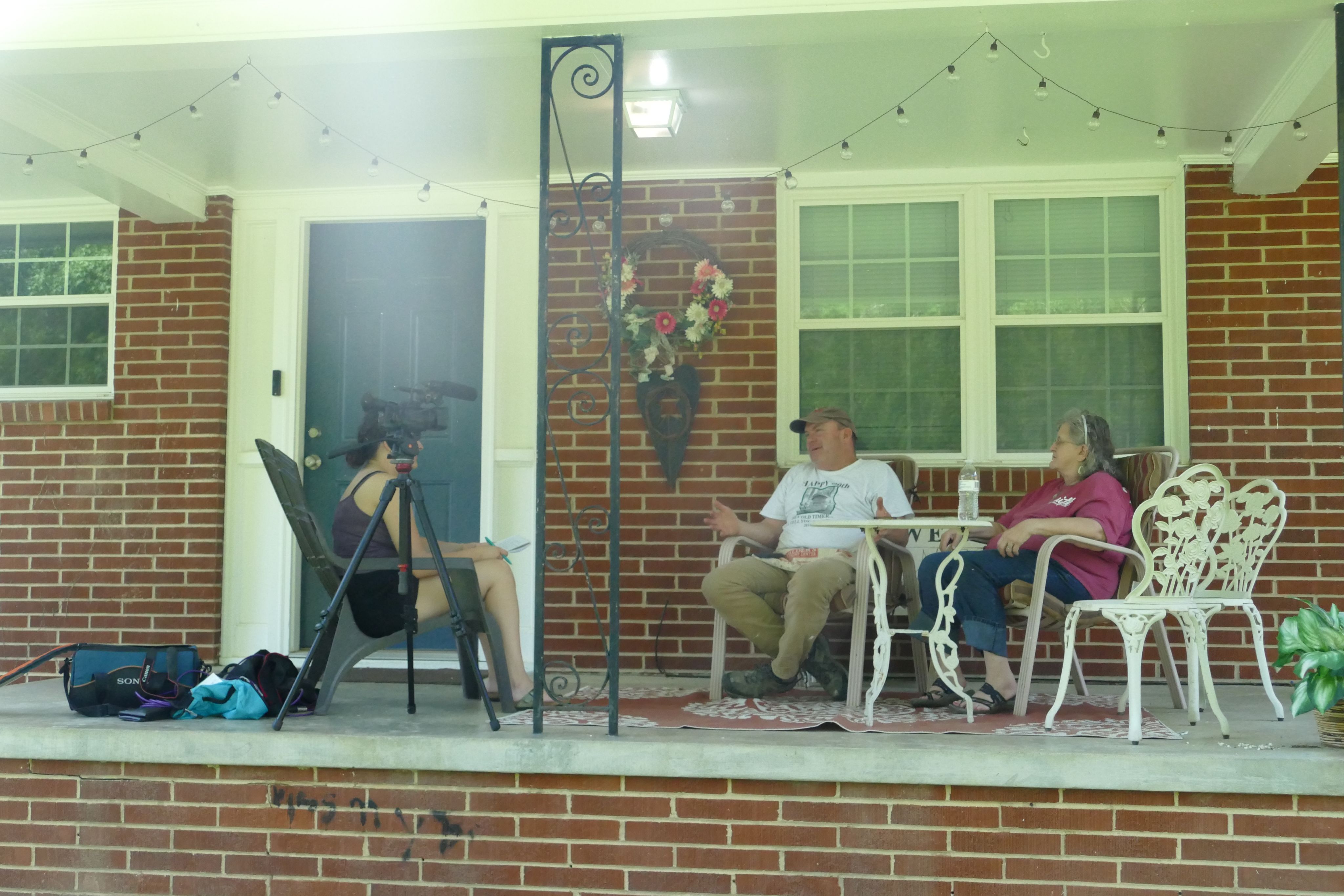


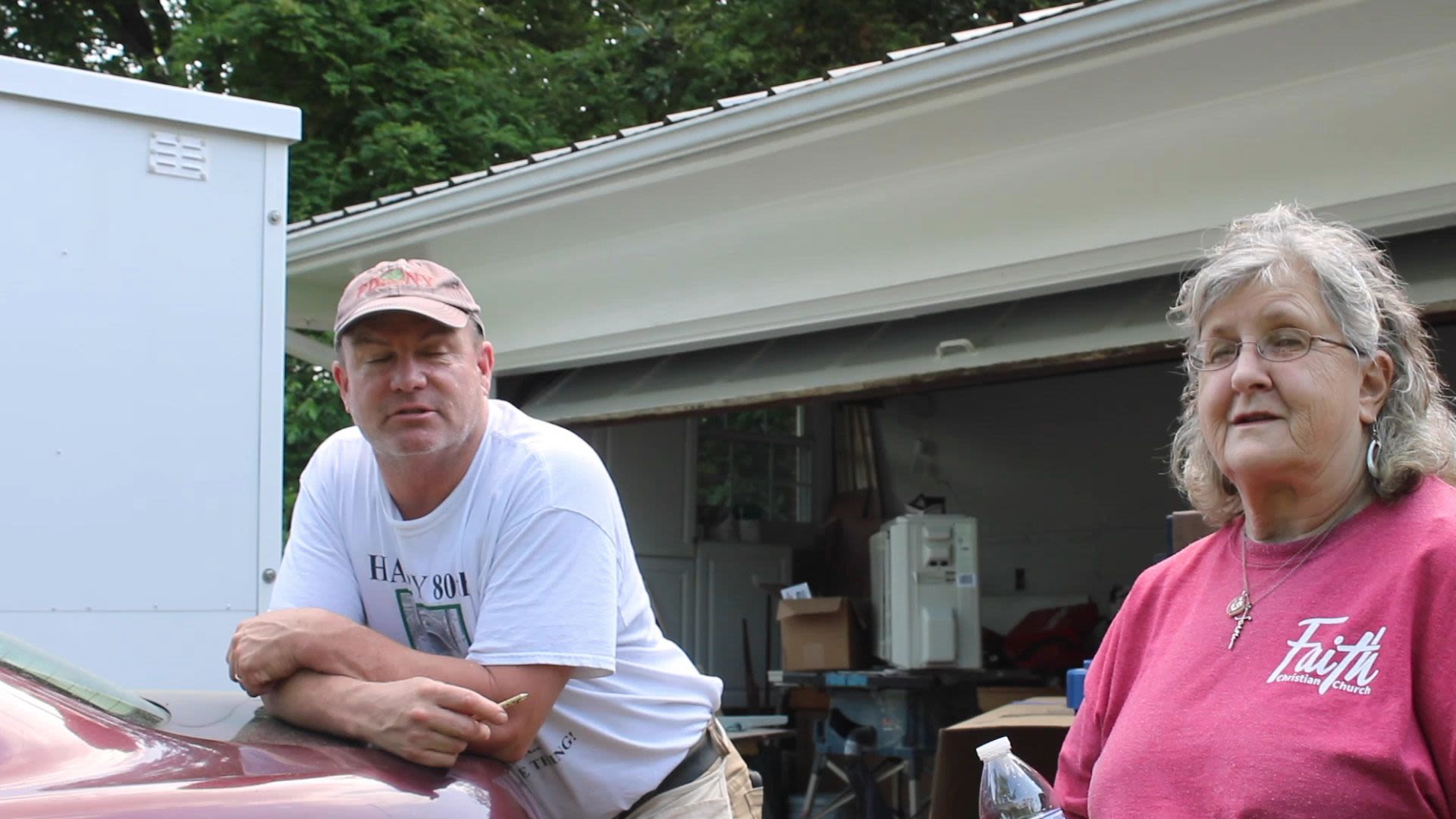

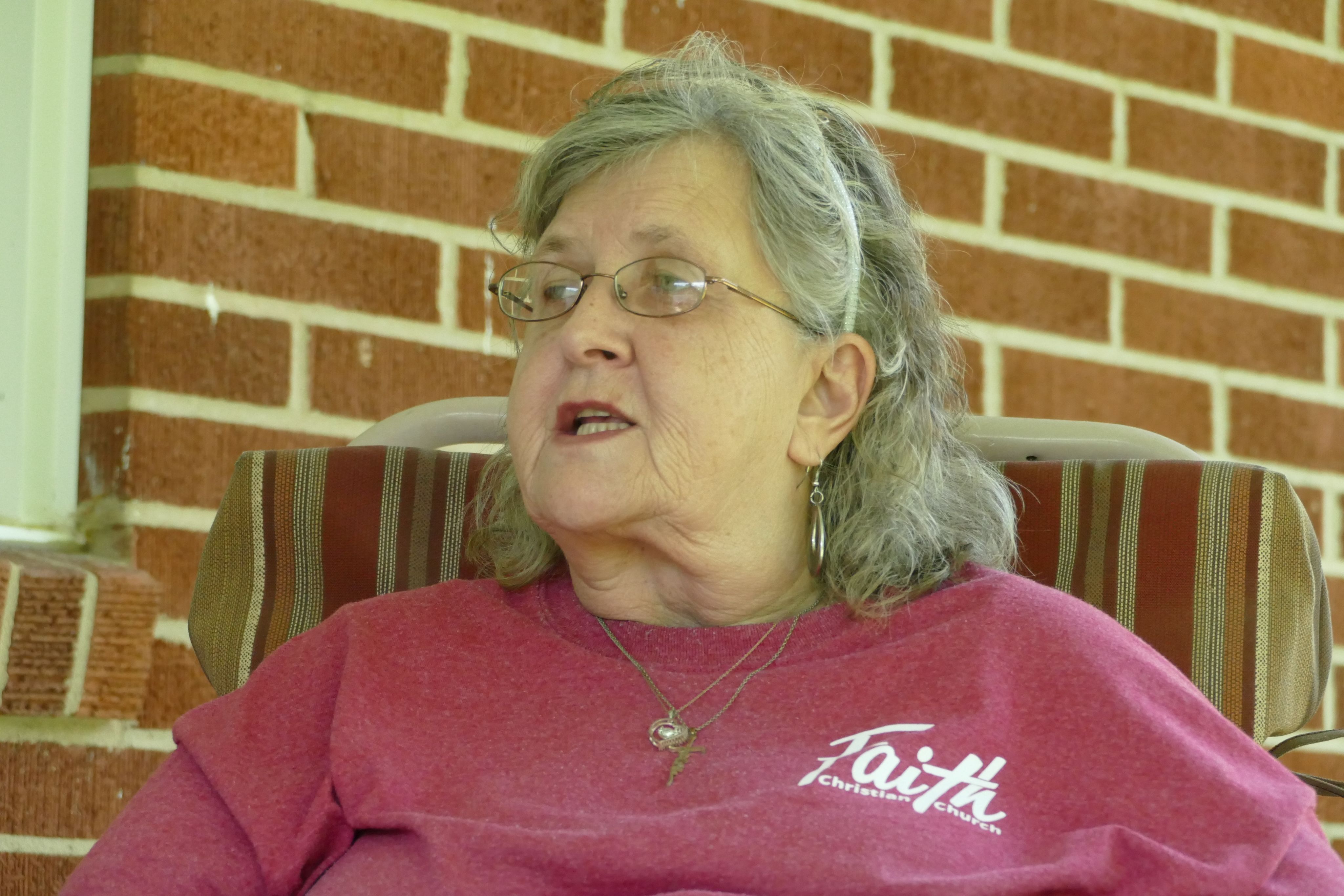
Universities across the country are acknowledging and addressing the importance of the town-gown relationship.
The issues that challenge the relationship between colleges and universities and their surrounding communities will almost certainly change in the future. As our society changes, so will the needs of the community, and those of the schools.
History tells us that schools hold the ultimate responsibility of serving the community, whether it’s studies at the University of Pennsylvania leading the way on finding a cure for cancer, or researchers at the University of Michigan discovering corrosive lead in the pipes in Flint, Michigan.
“We know our success is bound up with the success of the local community,” said Stein.
 Built with Shorthand